Havenwood Psychotherapy | Virtual Therapy in Canada
Virtual Couples Counselling
Find your way back to each other
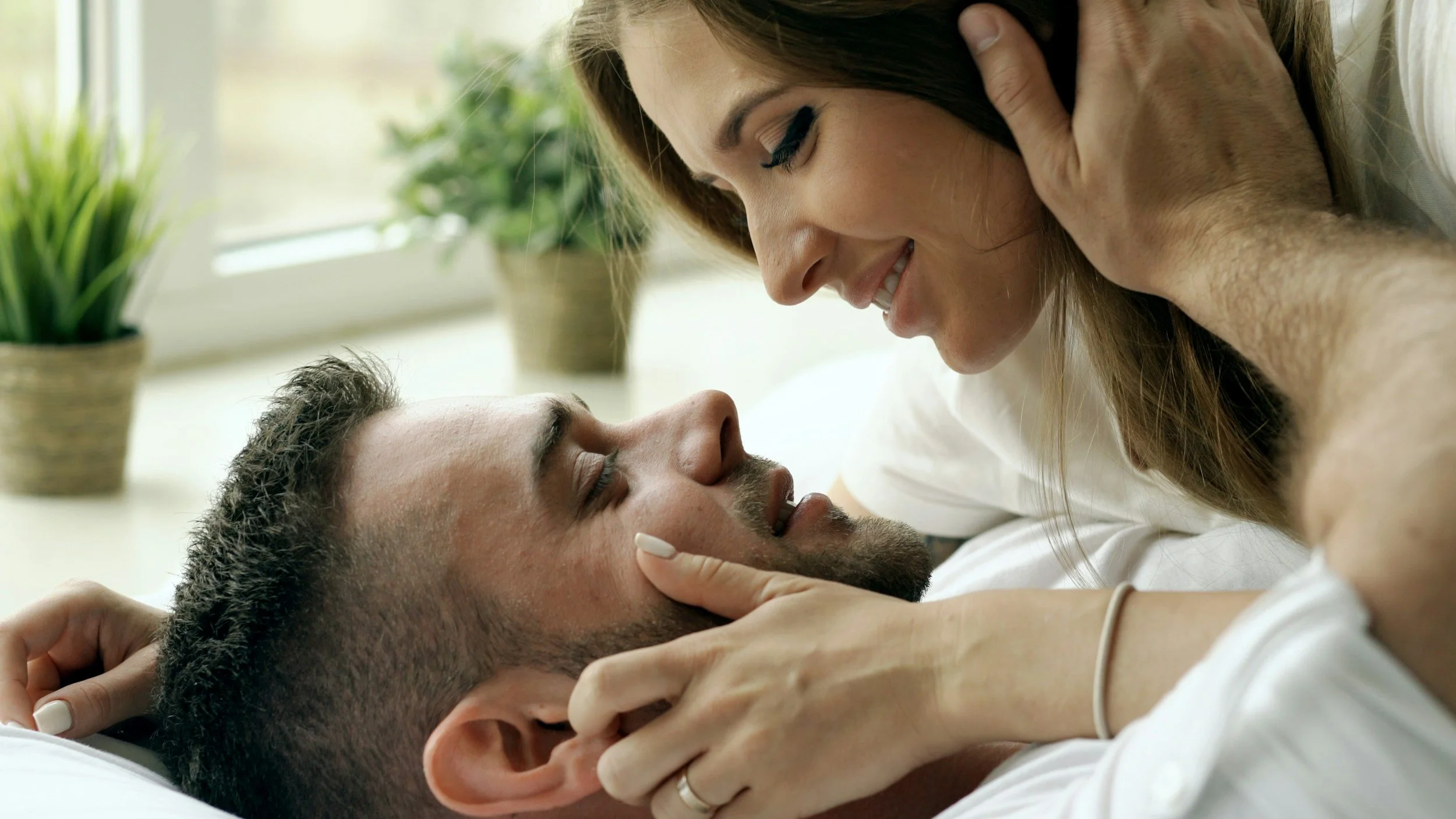
When communication breaks down and the same arguments keep repeating, it can leave you feeling disconnected, unheard, or unsure how to move forward. Virtual couples therapy offers a supportive space to understand the patterns keeping you stuck, rebuild connection, and create a healthier way of relating.
At Havenwood Psychotherapy, we offer virtual couples therapy across Quebec, Ontario, British Columbia, Saskatchewan, and Manitoba, helping couples navigate conflict, strengthen communication, and feel more connected in their relationship.

When Relationship Challenges Make It Hard to Feel Connected and Understood
The Same Arguments
You find yourselves having the same conversation again and again, without feeling any closer to a resolution.
Feeling Unheard
You want to feel understood, but instead find yourselves talking past each other or struggling to communicate what you really need.
Growing Disconnection
The emotional closeness you once felt may seem harder to reach, leaving you feeling lonely even when you’re together.
Relationship Tension
Small moments can become bigger conflicts, creating a sense of walking on eggshells or constantly trying to avoid the next argument.

HAVENWOOD PSYCHOTHERAPY | VIRTUAL COUPLES THERAPY
Meet Our Couples Therapist Expert

Tina Pirvali
Associate Therapist, RP (Qualifying), MACPTina helps couples work through communication difficulties, conflict, infidelity, codependency, attachment concerns, and major life transitions. She also supports couples navigating trauma, identity, stress, and self-esteem challenges that may affect their relationship. Her warm, collaborative, and culturally responsive approach incorporates the Gottman Method and Relational Life Therapy to help couples communicate more effectively, rebuild trust, deepen connection, and create healthier, more fulfilling relationships.

HAVENWOOD PSYCHOTHERAPY | ONLINE THERAPY ACROSS CANADA
How Couples Therapy Can Help
Less conflict and reactivity
Recognize unhelpful relationship patterns as they show up, without getting pulled into the same cycles of conflict or disconnection
Better communication
Improve communication so you both feel more heard, understood, and able to express your needs more clearly. It is possible for difficult conversations to feel calmer and more productive

Stronger emotional connection
Stay more emotionally present and connected, even during stress, conflict, or moments of distance
Rebuild trust & Feel like a team again
Build a stronger sense of trust, teamwork, and emotional safety so your relationship feels more supportive and secure

HAVENWOOD PSYCHOTHERAPY | ONLINE THERAPY ACROSS CANADA
Why Havenwood for Couples Therapy?

Even when you love each other deeply, relationships can become stuck in painful patterns. You may find yourselves having the same argument over and over, struggling to feel heard or understood, feeling increasingly disconnected, or carrying hurt that hasn’t been fully repaired. Sometimes you’re not sure how to find your way back to each other.
At Havenwood Psychotherapy, we believe there is more to your relationship than the conflict you’re experiencing. We approach couples therapy with curiosity, compassion, and respect for each person’s unique experience, creating space for both partners to feel heard without blame or judgment.
Using evidence-informed approaches such as the Gottman Method and Relational Life Therapy, our therapists help you understand the patterns beneath your conflicts, communicate more openly, navigate attachment and trust, and work through challenges such as infidelity, life transitions, and disconnection.
We deeply value authenticity and autonomy. Our role isn’t to tell you what your relationship should look like, but to help you understand what’s happening between you and make choices that align with what matters most to both of you.
With a range of therapists, virtual sessions across Canada, and flexible scheduling, we make it easier to find the right fit and begin when you’re ready.
You don’t have to keep having the same conversation in different ways. Take the first step toward feeling heard, understood, and more connected to each other.
How We Work With Couples
We draw from several evidence based modalities, choosing the approach, or combination of approaches, that fits you best.
Gottman Method
The Gottman Method focuses on the everyday patterns that shape a relationship. Together, we explore how you communicate, manage conflict, respond to one another’s needs, and maintain connection through life’s challenges.
Relational Life Therapy
Relational Life Therapy (RLT) looks beyond individual arguments to the dynamics that develop between partners. It explores how we protect ourselves, respond to hurt, and sometimes fall into patterns that create distance or disconnection.
HOW TO GET STARTED

Taking the first step toward therapy can feel overwhelming, and we're here to make the process as simple and supportive as possible. Whether you're ready to book or would like to learn more first, we're happy to help you find the right fit.
Book a Free Consultation
We offer a free 15-minute consultation where you can ask questions, share what you're looking for, and determine whether Havenwood Psychotherapy is the right fit for you.
Get Matched With the Right Therapist
Not sure who to book with? Contact us and we will help match you with the best fit for your goals. With flexible daytime and evening appointments, you can access support from the comfort and privacy of your own space.
Begin Couples Therapy
Once matched with your therapist, you'll have a dedicated space to explore challenges, build insight, and work toward meaningful change at a pace that feels right for you.

-
In your first session, we explore what’s been happening in your relationship, identify patterns, and begin creating a plan for how to move forward together.
-
Couples counselling has a high success rate when both partners are committed to the process. Research suggests that many couples see significant improvements in communication, conflict resolution, and relationship satisfaction through therapy.
-
Yes, couples counselling can be very effective. It helps partners improve communication, rebuild trust, resolve conflict, and strengthen emotional connection in a structured and supportive environment.
-
You don't have to wait until your relationship is in crisis. Couples therapy can be helpful when you’re experiencing ongoing conflict, communication difficulties, emotional disconnection, trust concerns, or major life transitions. It can also be valuable for couples who simply want to strengthen their relationship.
-
Repeating the same arguments can be a sign that there are deeper relationship patterns underneath the conflict. Couples therapy can help you identify these patterns, understand each other's needs, communicate more effectively, and develop healthier ways to navigate disagreements.
-
Our therapists use evidence-informed approaches tailored to each couple. Depending on your therapist and needs, couples therapy may incorporate approaches such as the Gottman Method and Relational Life Therapy to improve communication, understand relationship patterns, strengthen connection, and build healthier ways of relating.
-
Yes, couples counselling can help partners process infidelity, rebuild trust, and decide how to move forward in a healthy and supported way.
-
Some couples notice improvements within a few sessions, while others may need longer-term therapy depending on the complexity of their challenges and level of commitment.
-
In a session, both partners work with a therapist to discuss concerns, improve communication, and learn tools to manage conflict and strengthen their relationship.
-
Couples therapy can support partners experiencing communication difficulties, recurring conflict, attachment concerns, emotional disconnection, trust issues, infidelity, life transitions, and challenges related to ADHD, anxiety, or trauma within the relationship.
Frequently Asked Questions

Have Other Questions?